


You know what's wild? We can send rockets to Mars, decode DNA, and build computers that fit in our pockets, but we still can't figure out what happened to one of the world's greatest ancient civilizations. I'm talking about the Indus Valley Civilization, and honestly, their disappearance is one of the most baffling archaeological mysteries out there.
A Civilization Lost to Time
Picture this: Around 2500 BCE, while the Egyptians were building pyramids and the Mesopotamians were developing cuneiform writing, there was this massive civilization thriving in what's now Pakistan and northwest India. We're talking about a society that was home to roughly five million people at its peak. That's bigger than most ancient civilizations at the time.
The crazy part? We didn't even know they existed until the 1920s. British archaeologists stumbled upon the ruins of two major cities Harappa and Mohenjo-daro and suddenly realized there was this entire forgotten civilization that nobody had any clue about. How does that even happen?
They Were Way Ahead of Their Time
Here's what really gets me about the Indus Valley people. they were incredibly advanced. We're talking about cities with sophisticated urban planning that wouldn't look out of place today. They had grid-pattern streets, advanced drainage systems, and multi-story buildings. Some of their homes even had something resembling modern bathrooms and sewage systems.
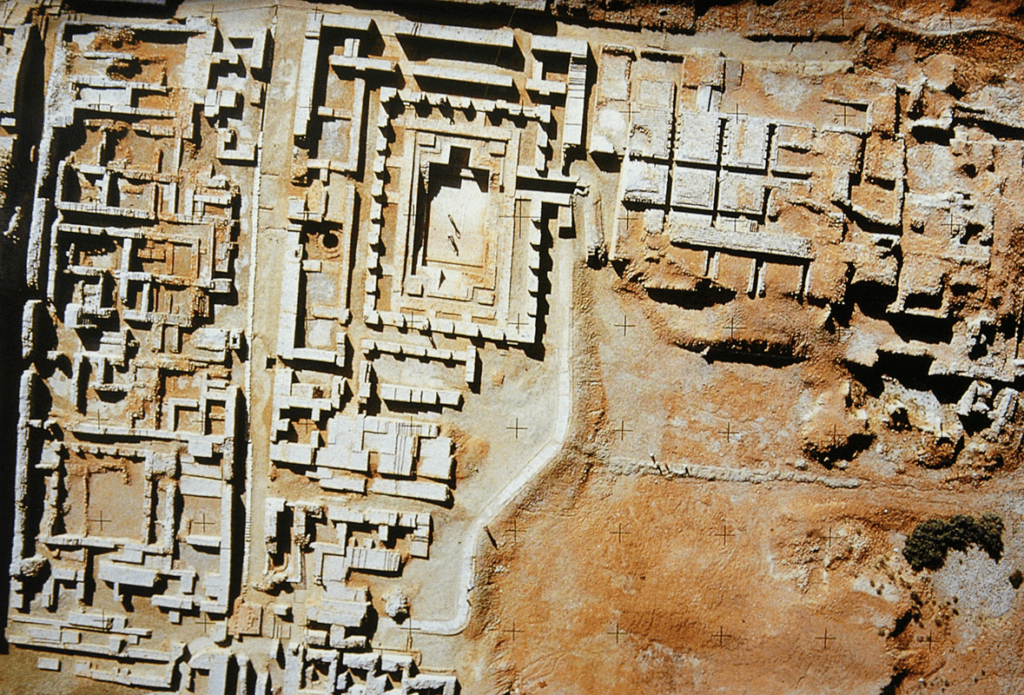
Think about that for a second. These folks had better city planning 4,500 years ago than some places do today. They understood hydraulic engineering, they had standardized weights and measures for trade, and they built structures that have survived millennia. These weren't primitive people stumbling around in the dark – they were sophisticated, organized, and smart.
The Script Nobody Can Read
Now here's where things get frustrating. The Indus Valley people had a writing system. We've found thousands of inscriptions on seals, pottery, and tablets. Short texts, usually just a few symbols, show up on artifacts all over the place. But here's the problem nobody can read it. Not a single person on Earth can tell you what these symbols mean.


Linguists and cryptographers have been trying to crack this code for nearly a century. They've used computers, statistical analysis, comparison with other ancient languages nothing works. Without being able to read their writing, we're basically just guessing about huge parts of their culture, religion, and daily life. It's like finding someone's diary but not being able to read the language. So frustrating.
Where Did Everyone Go?
But the biggest mystery of all? These people just... disappeared. Around 1900 BCE, this thriving civilization started declining, and by 1300 BCE, it was basically gone. The cities were abandoned, the sophisticated culture vanished, and the people scattered. But why?

Here's where it gets interesting. there's no evidence of war or invasion. No burned buildings, no mass graves, no signs of conquest. It's not like another civilization rolled in and destroyed them. They just left.
Theories That Keep Us Up at Night
So what happened? Well, everyone's got a theory, and none of them are super satisfying.
Some archaeologists think climate change did them in. There's evidence that the monsoon patterns shifted around that time, which could have messed up their agriculture big time. If the rivers changed course or dried up, their whole way of life would've collapsed. Makes sense, right? But it doesn't explain why they didn't adapt or relocate more successfully.
Others think disease might have played a role. A massive epidemic could have devastated the population. But again, we don't have mass graves or clear evidence of plague victims. It's just speculation.
There's also the earthquake theory. The region sits on a seismically active zone, and massive earthquakes could have destroyed cities and changed river courses. Some geological evidence supports this, but it still doesn't fully explain the complete abandonment of the entire civilization.
The Eerie Evidence
When you walk through the ruins of Mohenjo-daro today, it's almost haunting. There are wells that still hold water. Streets that look like they're just waiting for people to walk down them again. Homes that seem like their owners might return any day. But they never did.
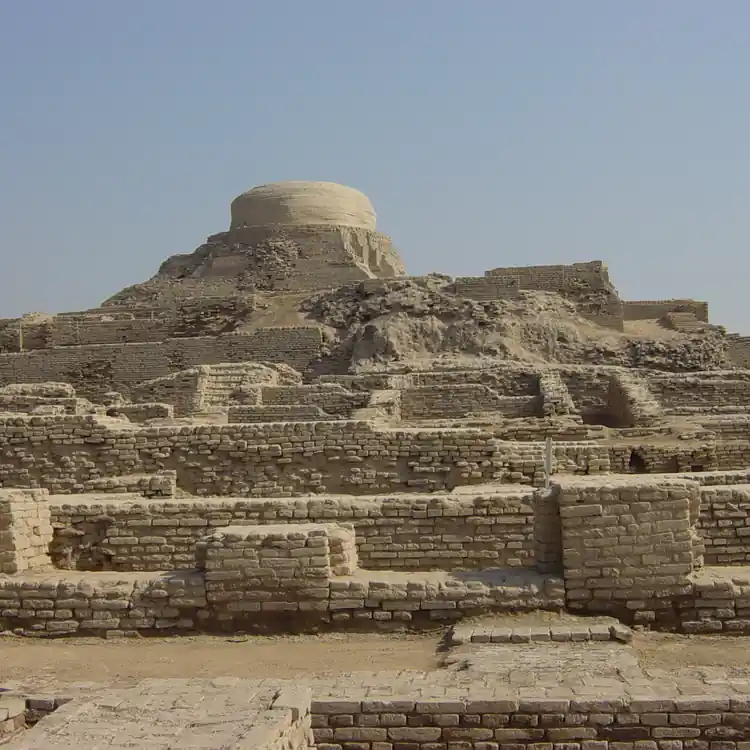
Archaeologists have found skeletons in some of the final layers of occupation, scattered in streets and homes, suggesting something sudden happened. But what? Were they victims of disease? Natural disaster? Or something else we haven't figured out yet?
Why This Mystery Matters
You might be wondering why we should care about a civilization that disappeared 3,000 years ago. Fair question. But here's the thing the Indus Valley people were one of humanity's great success stories. They built sustainable cities, created complex societies, and thrived for nearly a thousand years. Understanding what went wrong for them might teach us something about our own vulnerabilities.
Plus, there's something deeply human about wanting to know what happened. These were real people with families, dreams, and daily lives. They built beautiful things, developed sophisticated cultures, and then vanished. Don't we owe it to them to figure out their story?
The Search Continues
Modern technology is giving us new tools to investigate. Satellite imagery reveals hidden structures. Advanced dating techniques help us understand timelines better. DNA analysis of skeletal remains is teaching us about migrations and populations. But the big questions remain unanswered.
Maybe someday we'll crack their script and finally hear their voices. Maybe new excavations will reveal what caused their decline. Until then, the Indus Valley Civilization remains one of archaeology's most tantalizing mysteries a reminder that even the mightiest civilizations can disappear, leaving behind only ruins and questions.


